Understanding Radon in Crawl Spaces and How to Fix It
Why Crawl Spaces Can Be a Problem for Radon
If you have a house with a crawl space, you might think radon is only a concern for basements. That is not true. Radon in crawl space conditions can be just as serious as radon in a finished basement, sometimes even more so because crawl spaces are often overlooked during testing and mitigation. The soil gas that carries radon does not care whether your foundation is a concrete slab, a basement floor, or a dirt-floored crawl space. It will find the path of least resistance into your living space.
Over the years, I have tested and mitigated radon in many St. Louis homes with crawl spaces. The unique challenge here is that crawl spaces are rarely sealed or ventilated the way a basement might be. They tend to have exposed soil, open sump holes, and gaps around plumbing penetrations. All of those are direct entry points for radon. In fact, the EPA has long recognized that crawl spaces can contribute significantly to indoor radon levels, and the recommended action level of 4 picoCuries per liter applies regardless of the type of foundation. So if you have a crawl space and you have never tested it, you are flying blind.
How Radon Gets Into Your Home Through a Crawl Space
Radon is a radioactive gas that comes from the natural decay of uranium in the soil. It moves upward through the ground and enters buildings through cracks, gaps, and openings in the foundation. A crawl space is essentially a large opening. Even if the space is not used for storage or living, the air inside it can be drawn upward into the main living areas through a process called stack effect. Warm air rises through the house, creating a slight vacuum that pulls soil gas from the crawl space into the rooms above.
The most common entry points in a crawl space include the bare soil floor itself, unsealed sump holes, gaps around pipes and wires that pass through the floor, and cracks in the foundation walls. Many crawl spaces also have vents that are supposed to provide outside air, but those vents often get blocked by insulation, debris, or animal nests. When that happens, the crawl space becomes a reservoir of radon-laden air that can easily migrate into the house. That is why dealing with radon in crawl space situations requires a different approach than a typical basement installation.
Testing First - You Cannot Fix What You Have Not Measured
Before any radon mitigation work begins, a proper radon test is essential. For crawl spaces, the testing strategy is a bit different. You should place a radon detector in the lowest livable area of the house, usually the first floor directly above the crawl space. But I also recommend testing the crawl space itself, just to understand the concentration there. If the crawl space air has very high levels, it tells you that the soil gas is entering aggressively and that the barrier between the crawl space and the home is leaky.
Short-term tests are fine for an initial screening, but for a clear picture, a long-term test of at least 90 days is better. The EPA recommends fixing your home if the radon level is 4 pCi/L or higher. In my experience, many St. Louis homes with crawl spaces test well above that, sometimes reaching 10 or 20 pCi/L. That is a serious radon health risk, especially for children and anyone who spends a lot of time on the first floor. Once you have the test results, you can move on to planning the mitigation.
Active Soil Depressurization for Crawl Spaces
The most effective technique for reducing radon in crawl space conditions is active soil depressurization, often called sub-slab depressurization when applied to a slab foundation. For a crawl space, the principle is the same but the execution changes. Instead of pulling soil gas from under a concrete slab, you are pulling it from under a polyethylene vapor barrier that you install over the dirt floor. The goal is to create a negative pressure zone beneath the barrier, so that soil gas is drawn to a suction point and vented safely above the roofline instead of entering the crawl space.
A typical crawl space system starts with laying a heavy-duty polyethylene vapor barrier over the entire dirt floor. All seams are taped, and the edges are sealed to the foundation walls using caulking or a similar sealant. Any sealed sump hole or other opening is covered and sealed as well. Then, a suction pit is created at one or more points, usually by digging a small hole and placing a perforated pipe in it. That pipe connects to a solid PVC pipe that runs up through the crawl space and out through the roof or an exterior wall. A radon fan is installed on that pipe, either in the crawl space or outside, to create the suction. The fan runs continuously, and the system is monitored with a manometer or a U-tube manometer to confirm that the vacuum is holding.
Post-Installation Verification - Does It Work?
Once the system is installed, the work is not done. A proper post-installation verification is critical. I always go back and conduct another radon test after the system has been running for at least 48 hours, though the EPA recommends waiting at least 24 hours after system startup. The test should be placed in the same location as the initial test. If the levels drop below 4 pCi/L, the system is working. But I have seen cases where the levels stayed high even with a strong vacuum, usually because the vapor barrier was not sealed well at the edges or because there were other entry points that were missed. That is why a post-installation verification is non-negotiable. It catches those problems before you assume the house is safe.
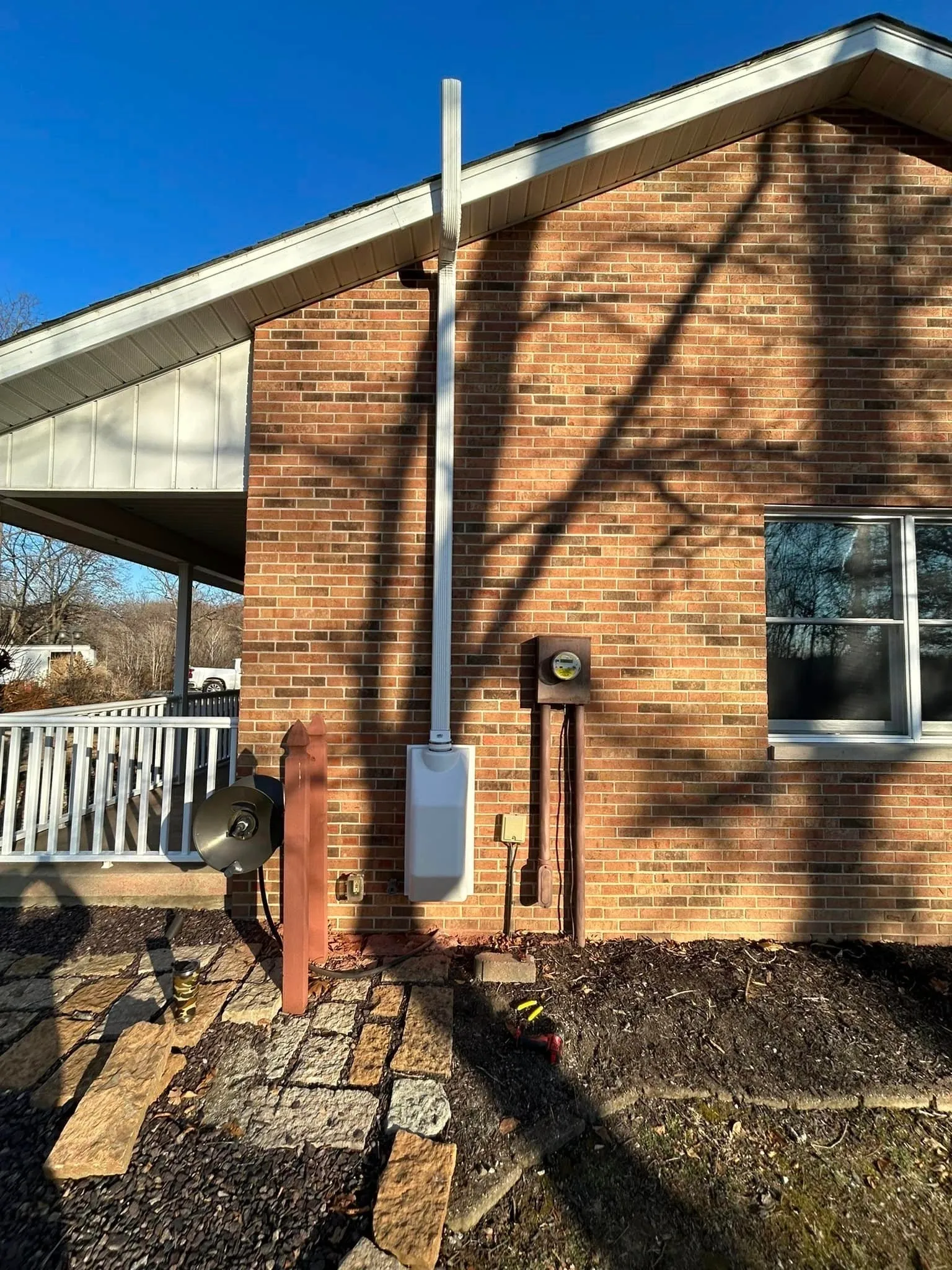
In addition to verification, most mitigation companies offer a mitigation system warranty. At Air Sense Environmental, we provide a warranty on the system components and workmanship, and we also recommend annual checks of the manometer to make sure the fan is still pulling properly. If the U-tube manometer shows zero pressure difference, it means the fan has failed or the system has a leak. That is a sign that you need a service call.
Sealing and Foundation Repair - The Supporting Cast
While active soil depressurization is the main event, sealing up entry points is also important. In a crawl space, that means caulking every gap where pipes or wires pass through the floor, sealing the sump hole cover, and repairing any cracks in the foundation walls. Sometimes foundation repair is needed if there are large gaps or structural issues. But do not rely on sealing alone to solve a radon problem. Sealing reduces the amount of soil gas that can enter, but it does not stop the pressure difference that pulls radon in. That is why active depressurization is the standard.
A polyethylene vapor barrier is a good example of a sealing measure that works best when combined with suction. If you just lay a barrier on the dirt without any venting, radon can still build up under it and find its way through tiny holes. But when you pair the barrier with a suction point and a radon fan, you create a system that actively removes the gas before it can get into the crawl space air. That is the difference between a passive fix and an effective mitigation.
What About Passive Systems?
Some homes are built with a passive radon system, which is basically a vent pipe running from under the foundation to the roof, without a fan. In a crawl space, a passive system might help a little, but it rarely reduces levels below the action level, especially in colder months when the stack effect is strongest. I have tested many houses where a passive system was installed but the radon levels were still above 4 pCi/L. The fix was to add an active radon fan. That turns a passive system into an active one, and the levels dropped dramatically. So if you already have a passive vent pipe in your crawl space, you are halfway there. Adding a fan and sealing the vapor barrier can often solve the problem without starting from scratch.
Final Thoughts on Radon in Crawl Space Mitigation
Dealing with radon in crawl space conditions is not as complicated as it sounds, but it does require a methodical approach. Test first, then seal and depressurize. Use a quality radon detector, install a proper system with a polyethylene vapor barrier and a radon fan, and verify the results with a follow-up radon test. If you live in St. Louis or anywhere with similar soil conditions, do not ignore your crawl space. It may be out of sight, but the radon health risk it poses is real. A few days of work and a modest investment can give you peace of mind and a healthier home for years to come.